15,000
travelers
98% happy
in 2019

Authentic
& Tailor-made Tours

Local
Experts

Excellent
Services

Local
Price
Having years of experience in creating customized tours for travelers, Vietnamstay commits to providing you with the highest standard of service along with authentic and unique experience for your vacations in Vietnam, Cambodia, Laos, Thailand, and Myanmar.
OUR SELECTED DESTINATIONS, YOUR MEMORABLE EXPERIENCE
VIETNAM
Whether you are looking for a cultural holiday, luxury vacation, beach break, trekking and adventure tour, family trip or a combination of all those elements, Vietnam has it all!
CAMBODIA
Cambodia is famous worldwide for its unique charm, cultural heritage, incredible natural beauty, breath-taking temples, fertile rice fields, rich and fascinating history.
LAOS
Laos vacation is about adventure hiking tours through the rugged mountains and taking a break and soaking in the relaxed atmosphere in the charming towns.
THAILAND
Known as Southeast Asia’s top tourist destination, Thailand appeals travellers with its local hospitality, delectable cuisine, ancient temples, white sandy beaches & unspoiled islands
MYANMAR
From the baffling sight of Golden Rock to the stilted villages of Inle Lake, join us on a Burma tour and unlock the heart of this unforgettable destination.
VACATION IDEAS AND TRAVEL INSPIRATION
Authentic
Delve into the daily life of the local people in Indochina, Thailand & Myanmar in one of our authentic tours for your unforgettable vacations
Highlight & Culture
Customized tours to Vietnam, Laos, Cambodia, Thailand, Myanmar for travellers who love and admire the historical and cultural background of our top destinations!
Luxury
Travel in luxury and style with Vietnamstay’s most exclusive choices of destinations, hotels, recreations and more
Honeymoon
Whether it is a dreaming honeymoon vacation, romantic getaway or anniversary trip, Southeast Asia honeymoon tours will make it become true with stunning destinations, luxurious resorts and ultimate relaxation
Family
Beautiful nature, rich history and culture, authentic local life, exciting activities, Vietnam, Laos, Cambodia, Thailand, Myanmar have all for your perfect family vacations
Active
Discover our destinations in depth and into the wild by joining one of our active and adventurous tours, trekking, hiking, biking, walking, rafting, or snorkelling, we have all for you!
DIVERSE VIETNAM
Ho Chi Minh - Danang - Halong Bay16 DAY
$0
This tour offers you an unbeatable chance to discovery Vietnam in depth, bustling cities to pristine beaches and stunning mountainous landscape
DIVERSE VIETNAM
Ho Chi Minh - Danang - Halong Bay16 Days
$0
CHARMING VIETNAM CAMBODIA
Siem Reap - Saigon - Hanoi13 DAY
$1298
Perfect tour to discover the ancient temples of Angkor, Cambodia and highlighted destinations in Vietnam
CHARMING VIETNAM CAMBODIA
Siem Reap - Saigon - Hanoi13 Days
$1298
TREASURE MEKONG RIVER
Luang Prabang - Can Tho - Siem Reap16 DAY
$0
Discover the natural beauty, fascinating history and friendly people of Cambodia, Vietnam and Laos on our 16 days tour.
TREASURE MEKONG RIVER
Luang Prabang - Can Tho - Siem Reap16 Days
$0
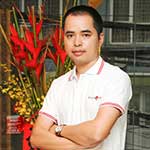
Xin chao, my name is Xuan Hao. I love travelling and that is wonderful to work for Vietnamstay, meeting people from all over the world, helping you to fulfill your dreams... and my dream, too. I always think that the right of clients is the most important & my mission is to make the most interesting and smooth trip for you.
XUAN HAO
Senior Sale Manager
SEE OTHER EXPERTS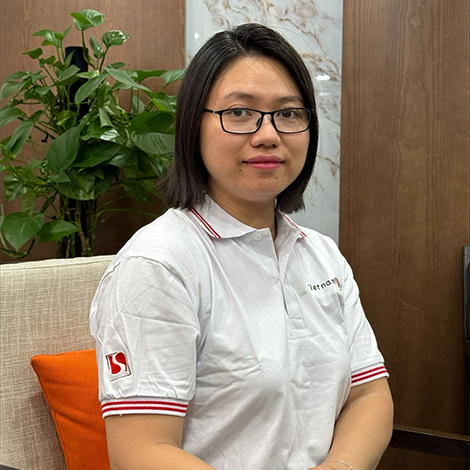
Being an avid traveler and a travel consultant, I’ve always believed that: when you visit a country, immersion and authenticity are the goal. Don’t hesitate to step in a backstreet, join a meal with a local family or try your hands on local people’s daily work. Travel is the only thing you buy that makes you richer. We hope you always keep a travel mind, and you always find a new destination that excites you.
LILY
Senior Sale Executives
SEE OTHER EXPERTS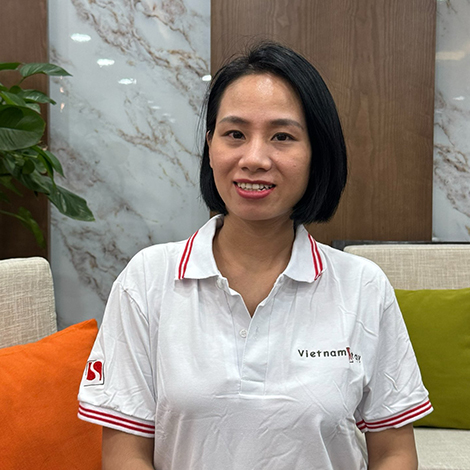
Born in a small town in the outskirts of Hanoi, my childhood was filled with fun and games played on the rice paddy fields or the nearby dike. I always had a lot of questions about how big this world really was and how life was different outside of my village; Thus, after graduate from high school, I made the life-changing decision to take the entrance exam to become a student of the Faculty of Tourism. This was the beginning of what has grown into my passion to introduce Vietnam, with its exceptional scenery, resourceful people and amazing food, to the rest of the world.
STEFFANY
Senior Sale Executives
SEE OTHER EXPERTS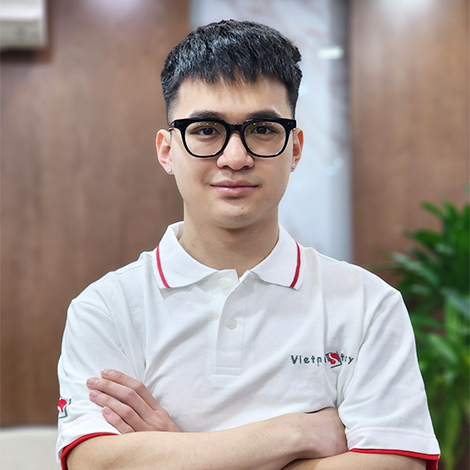
After years of working in Travel & Hospitality Industry, I feel lucky that Vietnam has become an ideal place for travelers all over the world. Being a member of Vietnamstay is a great chance for me to share our beautiful country, lovely people and well reserved culture & history of Vietnam. My perception is to be the trust and reliable assistance for YOU who would love to experience our homeland, welcome to share much of Vietnam – A Land of Rising Dragon in Asia. Come to visit our country and witness the lush mountains, bustling cities and golden sand beaches amongst the distinction of 4 seasons in Vietnam.
CHRIST
Sale Executives
SEE OTHER EXPERTS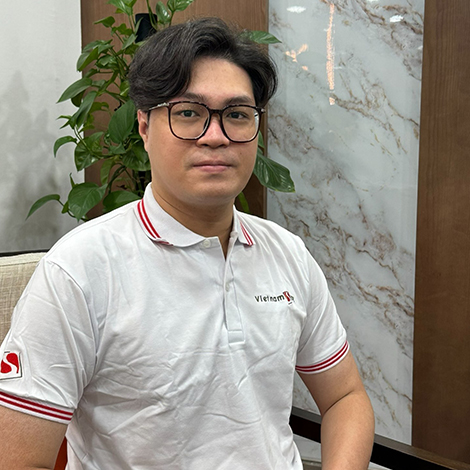
I've always had a passion for travel and exploring new places, which led me to pursue a career in the tourism industry. Growing up in Vietnam, I developed a deep appreciation for the beauty and culture of my homeland. My love for connecting with people and sharing my knowledge about Vietnam's hidden gems naturally led me to a career in sales. With years of experience in the hospitality industry and a genuine desire to help travelers create unforgettable experiences, I'm dedicated to providing personalized service and ensuring that every trip exceeds expectations.
MINH
Sale Executives
SEE OTHER EXPERTS
“Xin chao, my name is Ha, it’s easy name to say in Vietnam like you smile “haha” :) !! I have been a member of Vietnamstay for more than 10 years. I am very happy to work at Vietnamstay because here is a great working environment, friendly colleagues, professional style, and a lot of fun and joyfulness. I love travelling and I’m happy to introduce our beautiful country to all of you. Welcome to the charming Vietnam and we are right here to guide you!!!
NGOC HA
Senior Operator in Vietnam
SEE OTHER EXPERTS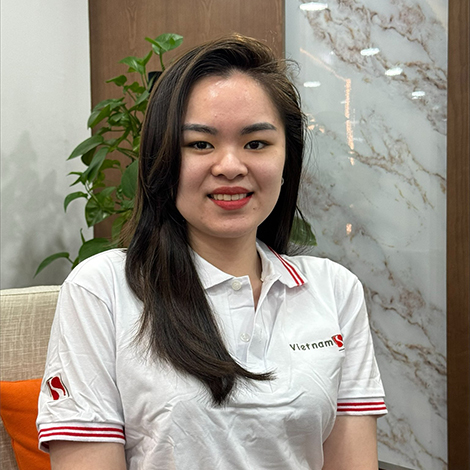
Hello, I'm Quyen, and I'm excited to introduce myself as a member of the VietnamStay team. As an Operator Staff, my role is to ensure that every aspect of your travel experience with us is seamless and enjoyable. With a passion for hospitality and a commitment to excellence, I strive to create unforgettable moments for our guests as they explore the beauty of Vietnam. Whether it's arranging travel logistics or providing personalized assistance, I'm dedicated to making your journey with VietnamStay truly exceptional. I look forward to being a part of your unforgettable travel experiences in Vietnam!
QUYEN
Operator in Vietnam
SEE OTHER EXPERTS
Whenever whoever travels, they’re really looking for an unforgettable moment. That’s a great force of me to always care for and go extra miles to achieve it. Siem Reap and its Angkor Complex is surely the must-visit destination for your vacations in Cambodia. Being a local then a experienced travel consultant, I would love to create your unique experience to this land of ancient temples.
TUY REY
Cambodia Branch Manager
SEE OTHER EXPERTS
Sabaidee, My name is Soulaphone KHETMANY or you can call me my nickname Tadam means (Black eyes). I have been working at Vietnam stay at office in Laos and for the head office is located in Hanoi. I’m feeling exited and fantastic to work with the big teams friendly as the neighbor countries. I have dream want to travel around wonderful trip that the place I want to go and Vietnam stay can helping you to take you to your dream and also me too….Should you need any further enquiries, please don’t hesitate to contact us at any time please dial 008 56 20 7777 4964 to reach me 24/24 hours. Make you smile when you traveling and use our service from us ……Smile and cheers
TADAM
Operator in Laos
SEE OTHER EXPERTS
Copyright© Vietnamstay 2022, All Right Reserved